PREPARATORY STAGE
LIMING / DELIMING PROCESS:
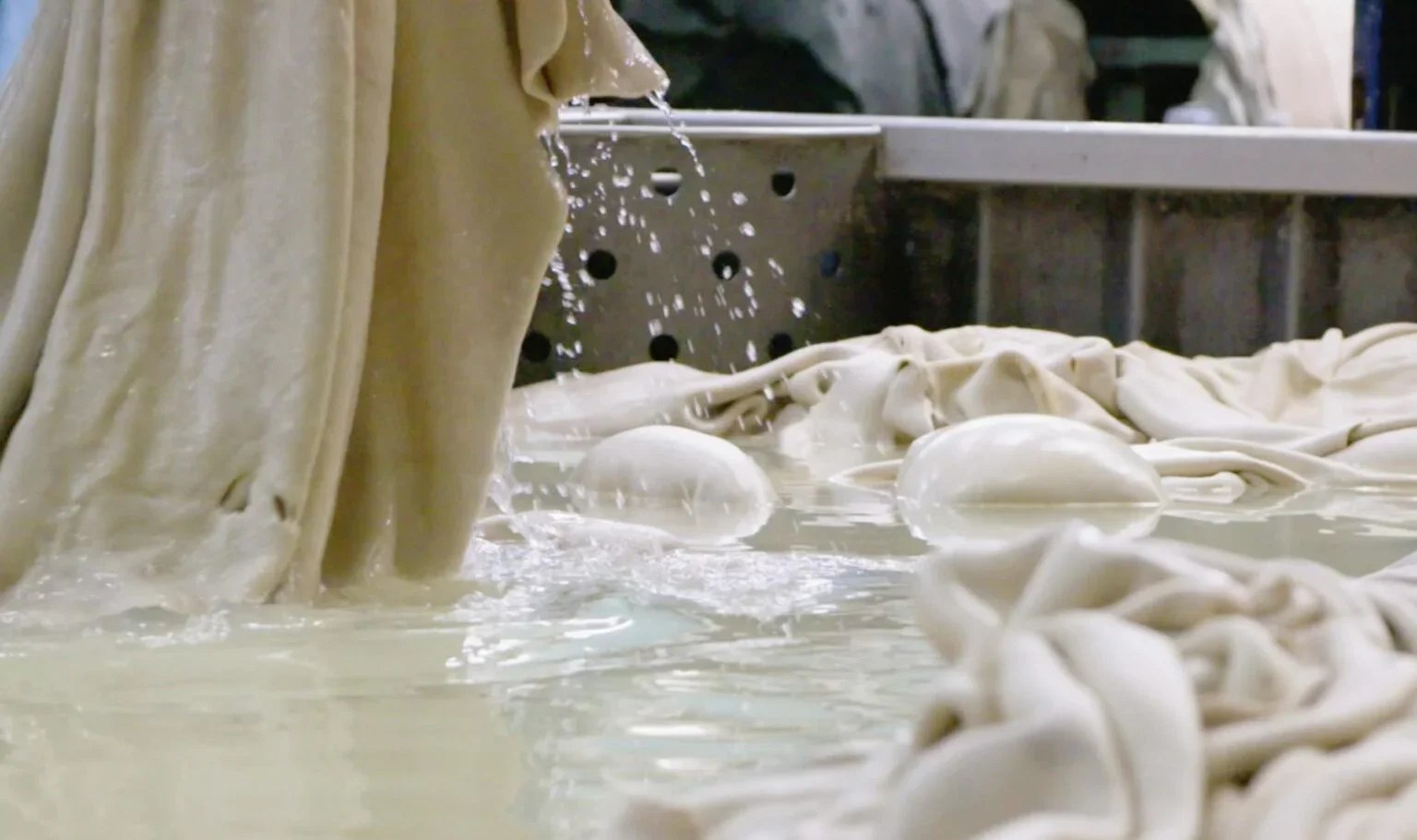
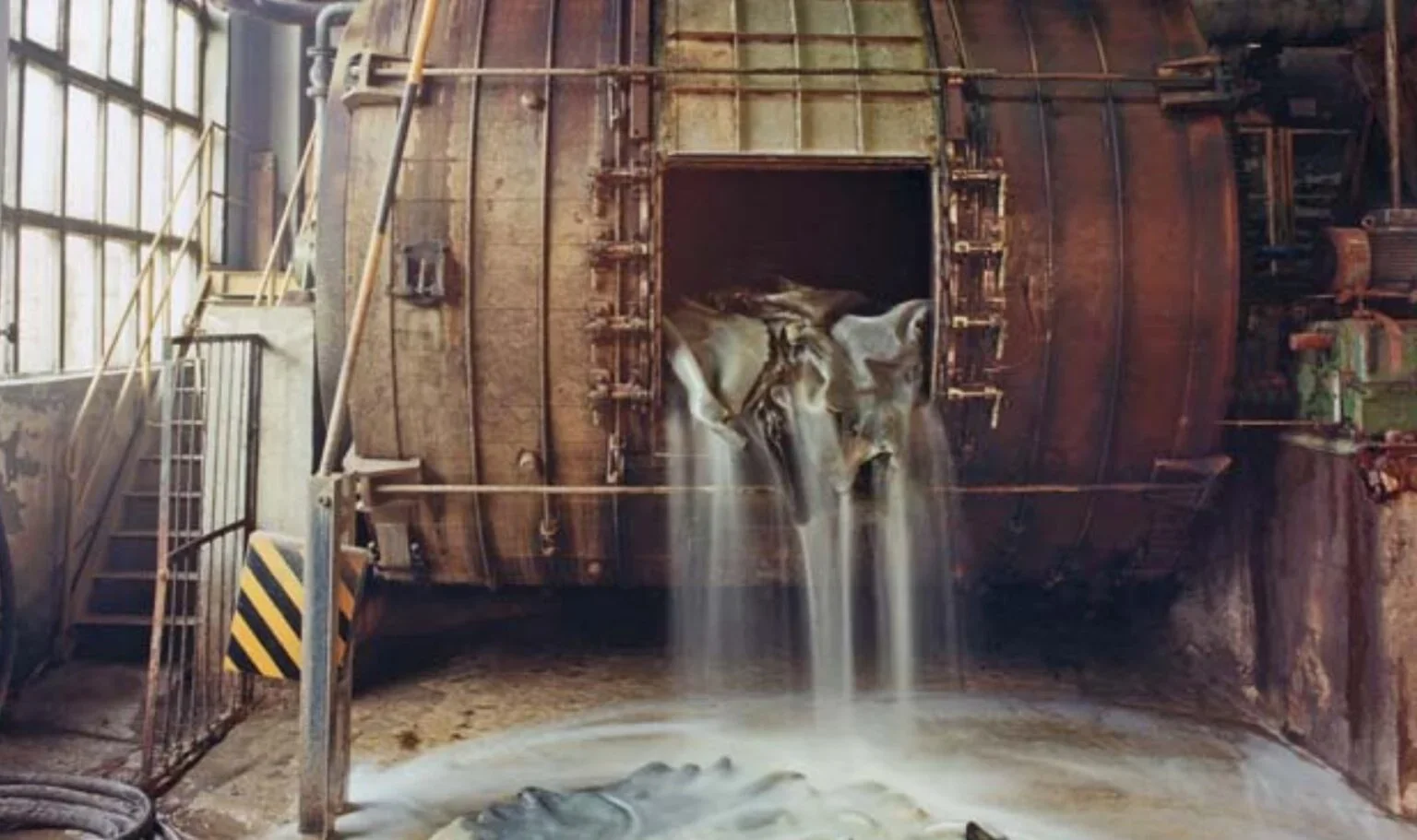
The hides are treated with an alkaline solution, usually lime, to loosen hair and remove epidermis. The hides are treated with a solution to neutralize the alkalinity from liming.
SOAKING PROCESS:
The hides are thoroughly soaked in water to rehydrate them and remove any dirt, salt, or impurities that may be present. This soaking process makes the hides more pliable and ready for the subsequent steps.
HAIR REMOVAL
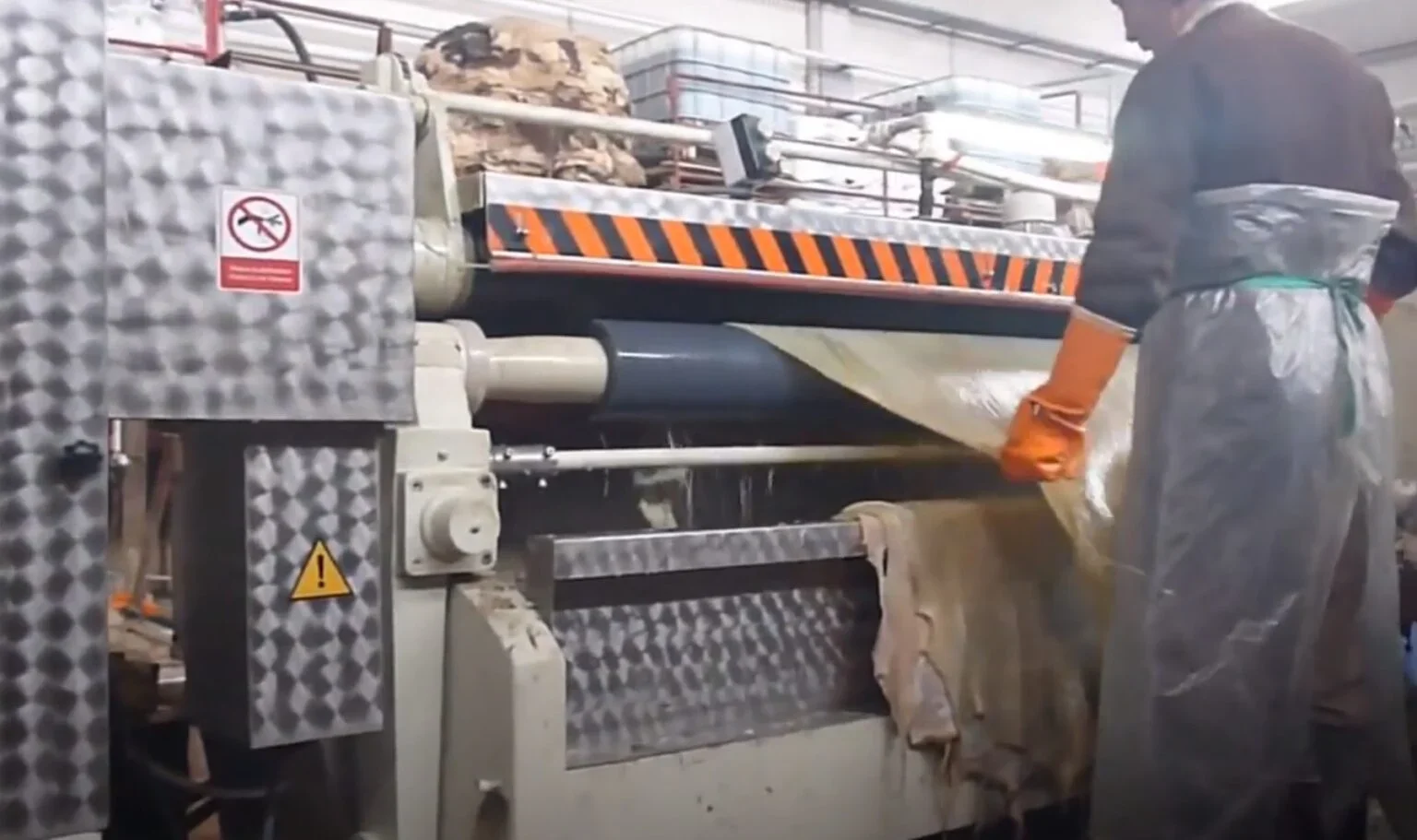
FLESHING PROCESS:
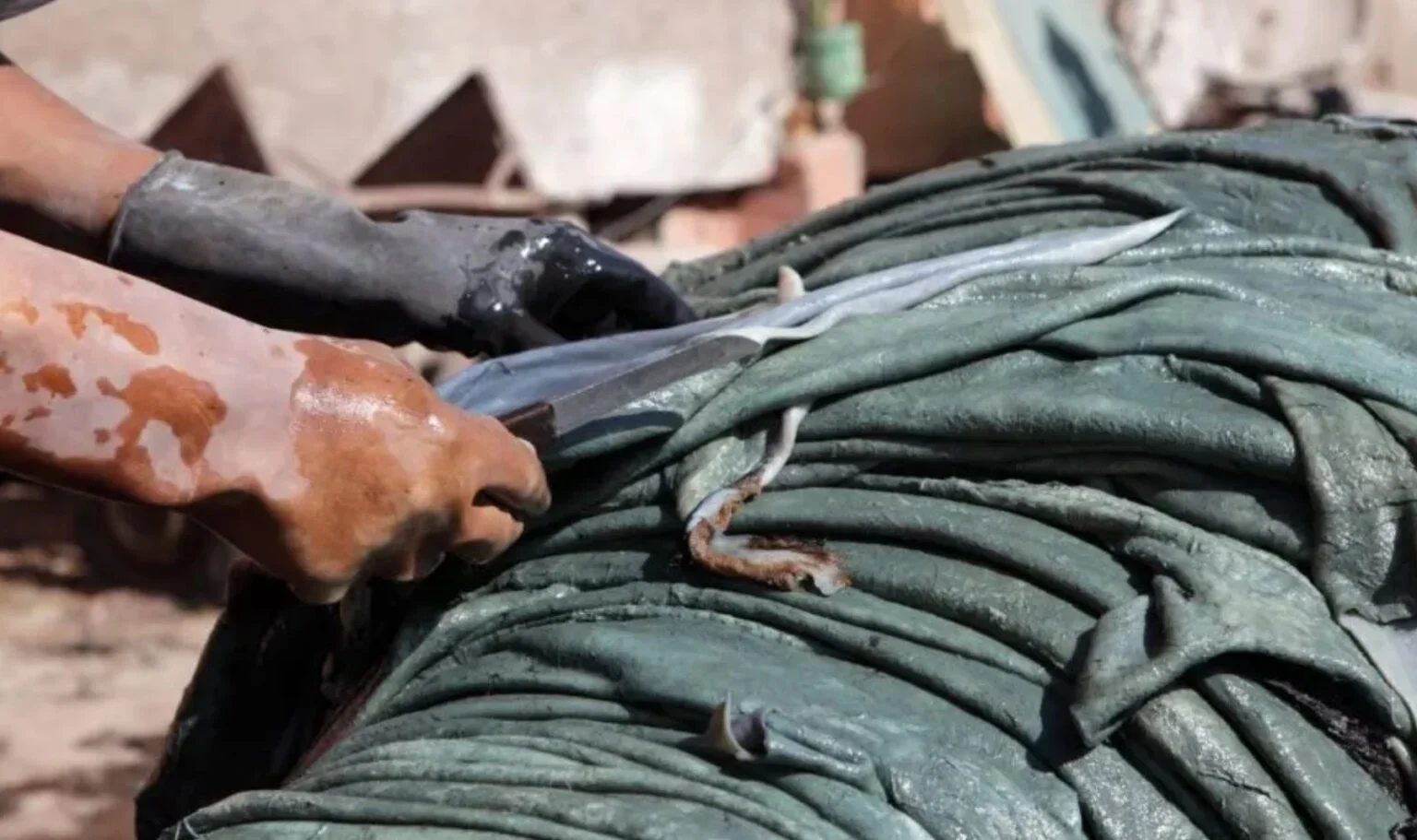
The fleshing process in leather production involves the removal of residual flesh and fat from the hides using mechanical or manual methods. This step ensures a smooth and even surface, enhancing the quality and durability.
BATING PROCESS:
The bating process in leather production involves the application of enzyme-based solutions to remove residual flesh and hair roots from the hides. This step helps further clean and prepare the hides for subsequent treatments.
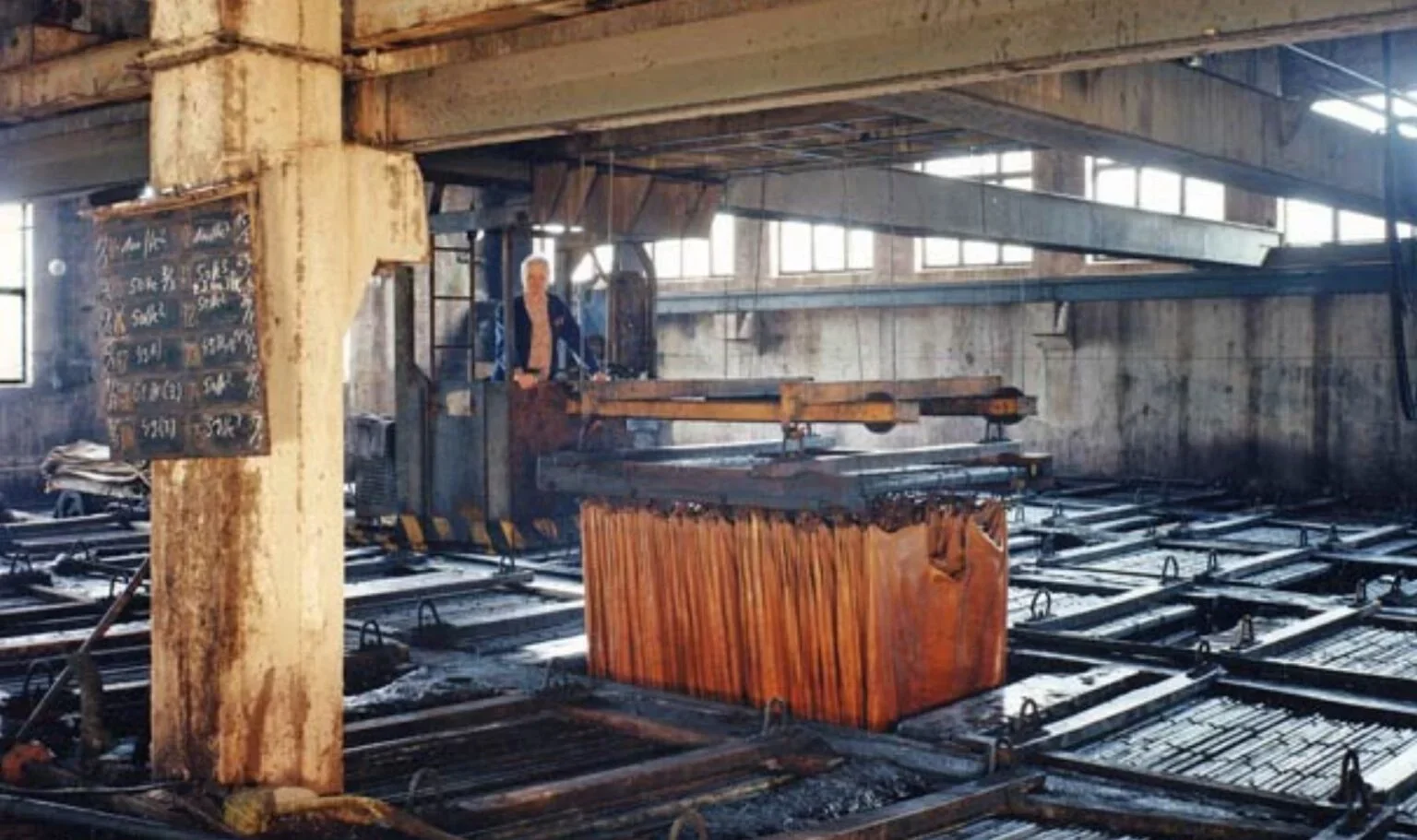
PICKLING PROCESS:
The pickling process in leather tanning involves immersing the hides in a solution containing sulfuric acid and salt. This treatment helps lower the pH level of the hides, preventing bacterial growth and preparing them for the subsequent tanning stage.
TANNING METHODS & NEUTRALIZATION
CHROME TANNING:
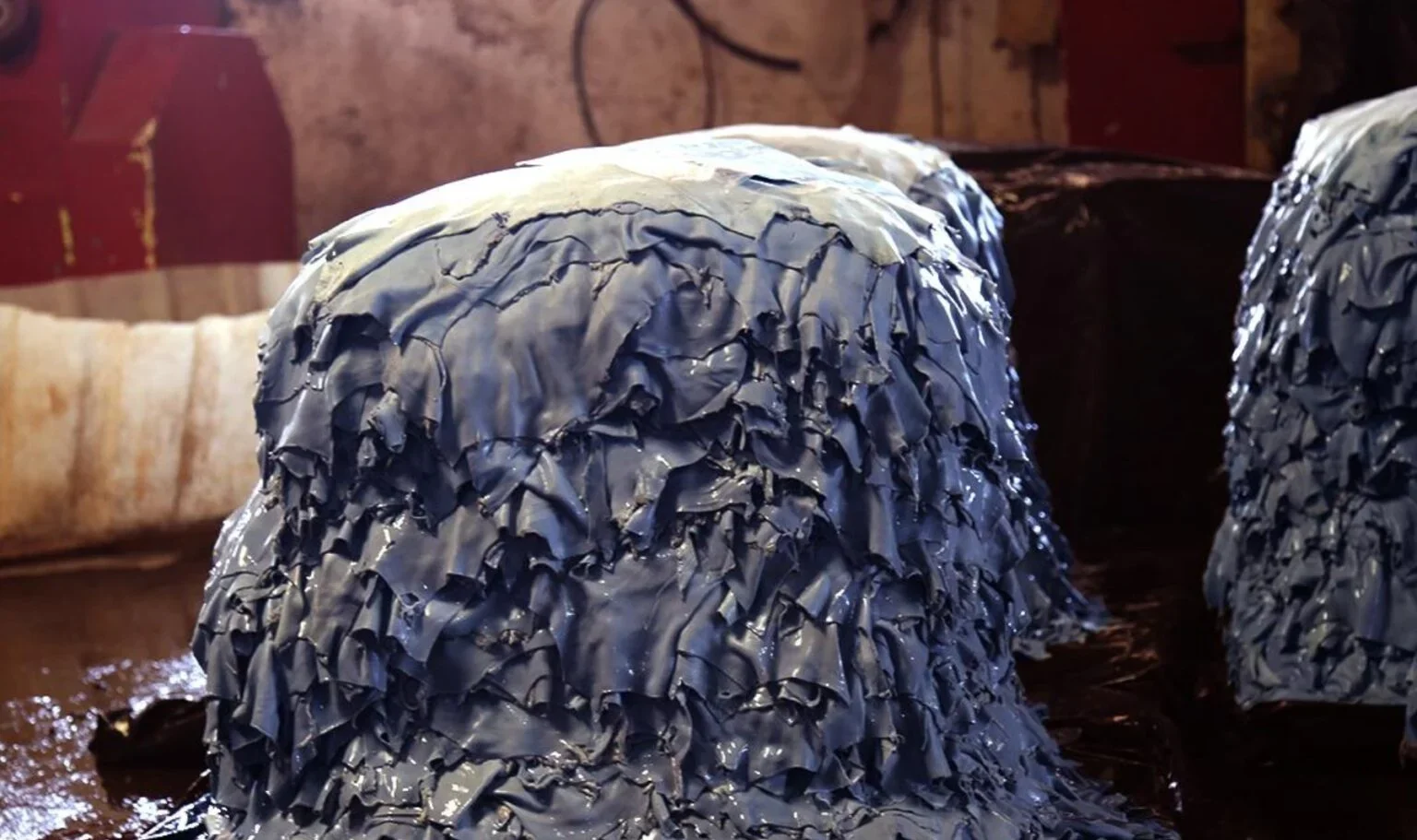
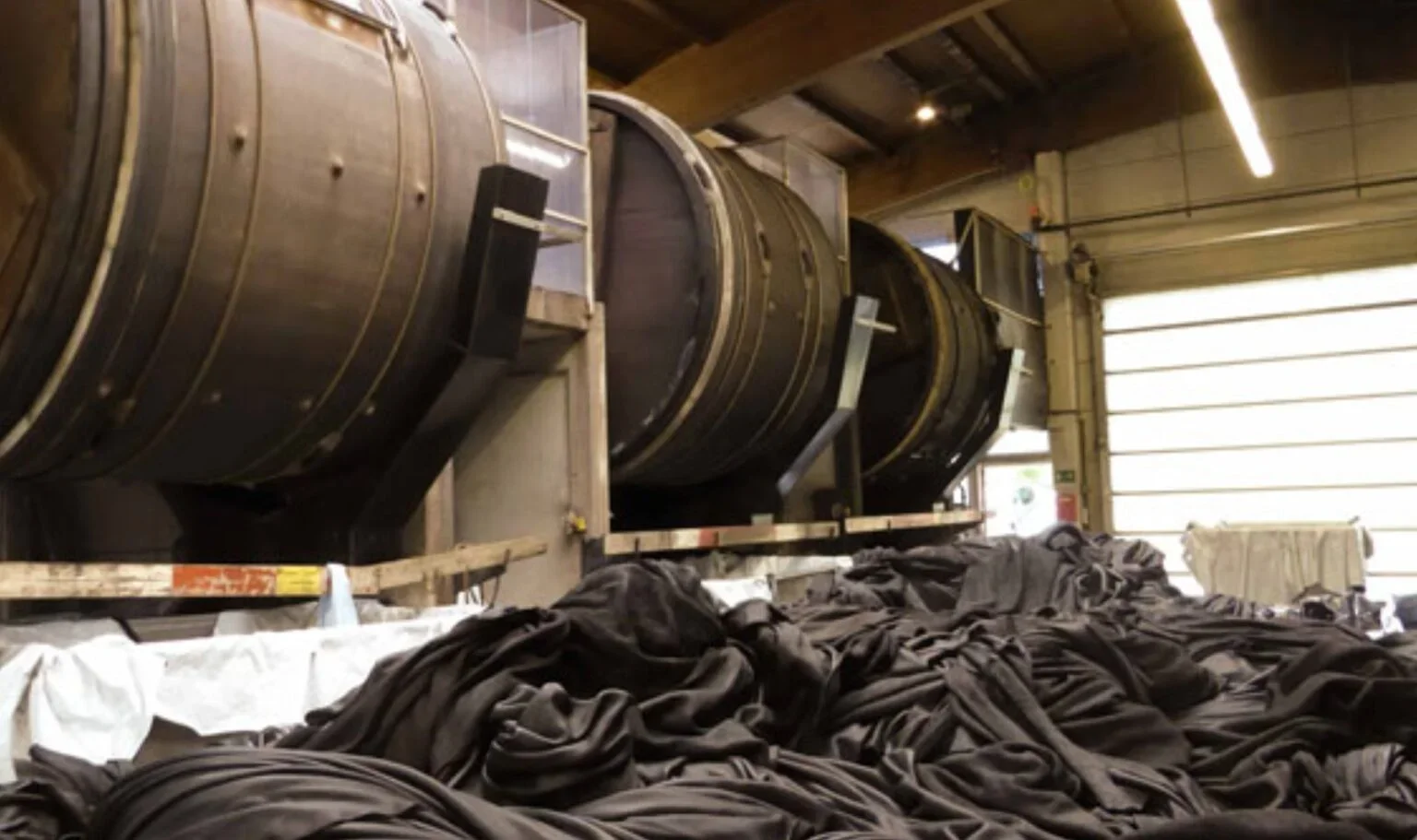
Chrome tanning is a widely used method in leather production where hides are treated with a solution containing chromium salts. This process results in softer and more supple leather with improved water resistance, making it suitable for a variety.
VEGETABLE TANNING:
Hides are treated with vegetable extracts, such as tannin from tree barks, to create a durable and flexible leather with a characteristic natural scent.
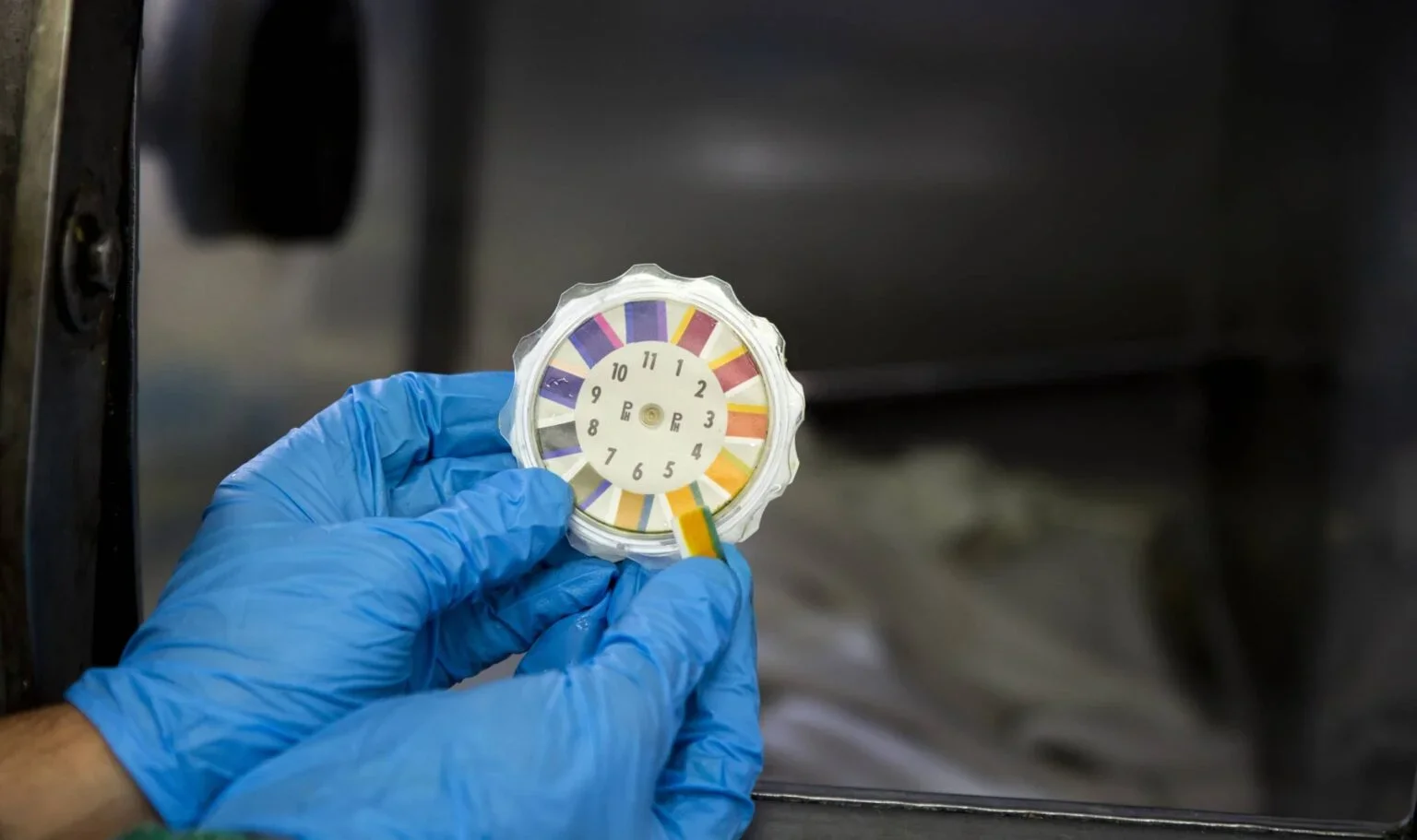
NEUTRALIZATION:
Neutralization is a crucial step in the leather tanning process where the tanned hides undergo thorough rinsing to remove excess tanning agents and restore a neutral pH level. This ensures that the hides are properly prepared for subsequent treatments and helps maintain the desired characteristics
of the leather.
DYEING, FATLIQUORING
DYEING & FATLIQUORING PROCESS:
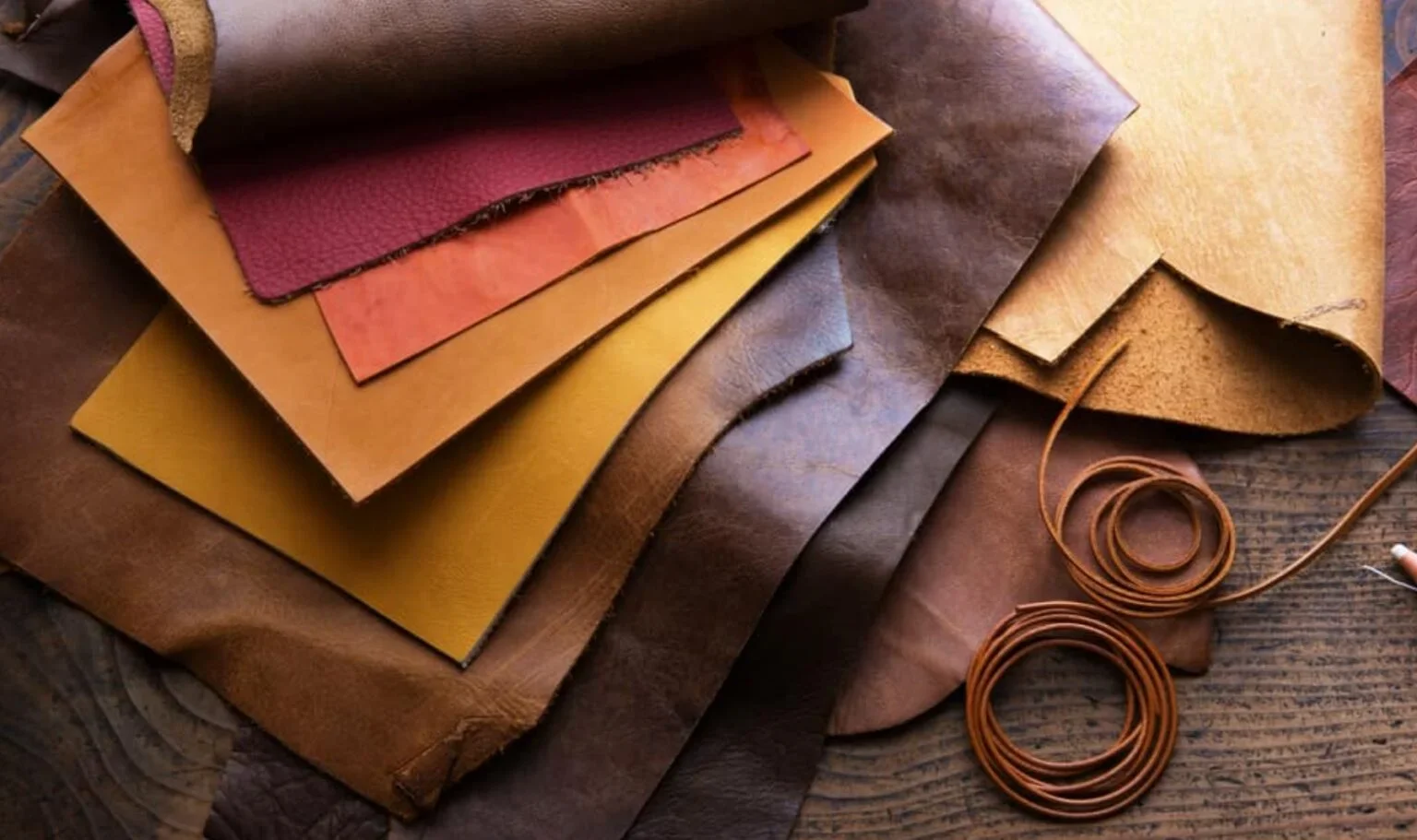
Hides may be dyed to achieve the desired color using organic or synthetic dyes. Multiple dyeing and drying cycles may be required for an even color. Oils, emulsions, or lubricants are applied to the hides to enhance their softness, flexibility, and water resistance.
FINISHING PROCESS
BUFFING:
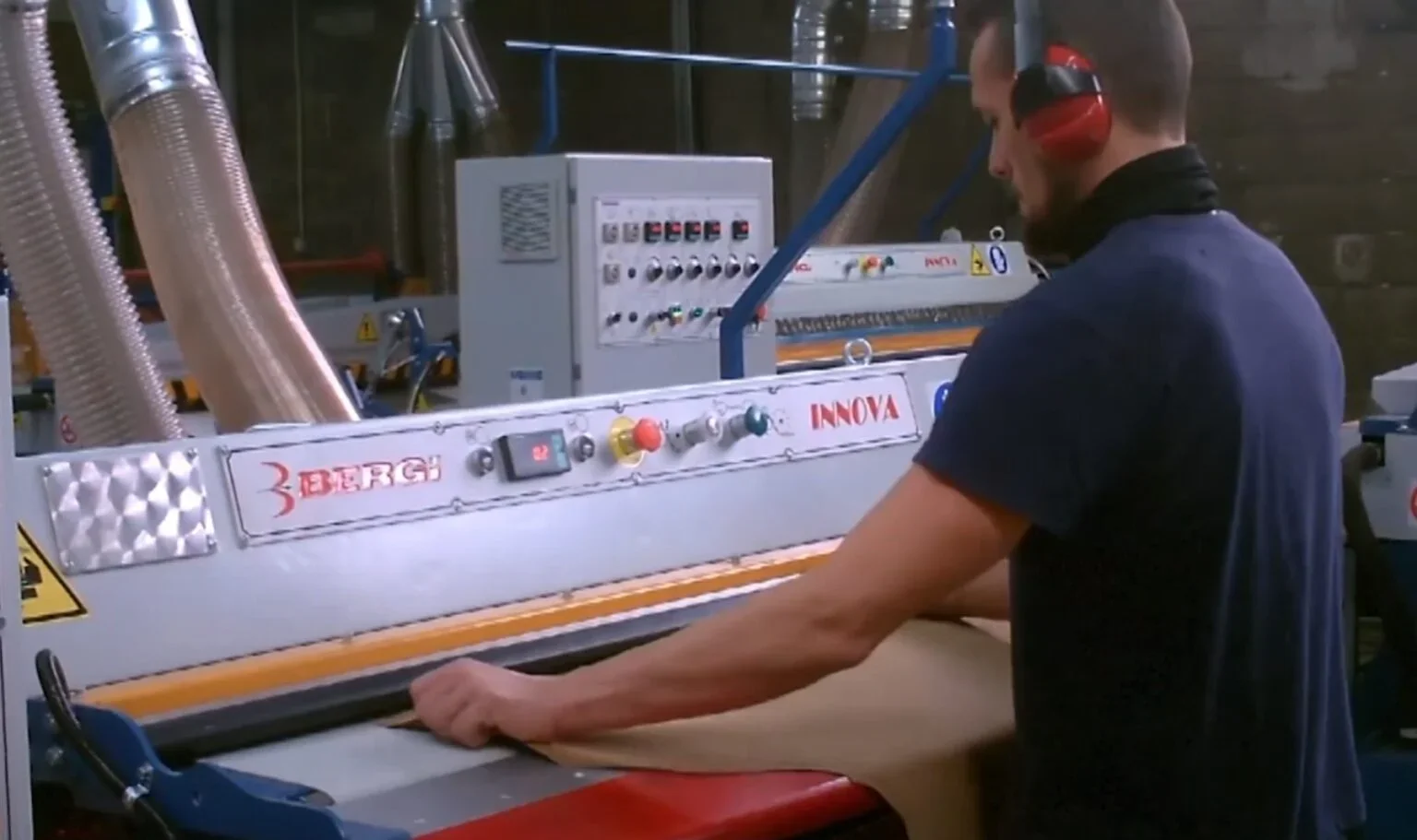
Buffing is a finishing process in leather production where the surface of the leather is mechanically abraded. This technique helps to remove imperfections, such as scars or blemishes, and achieve a smoother and more uniform texture, resulting in a visually appealing and refined leather product.
PRINTING:
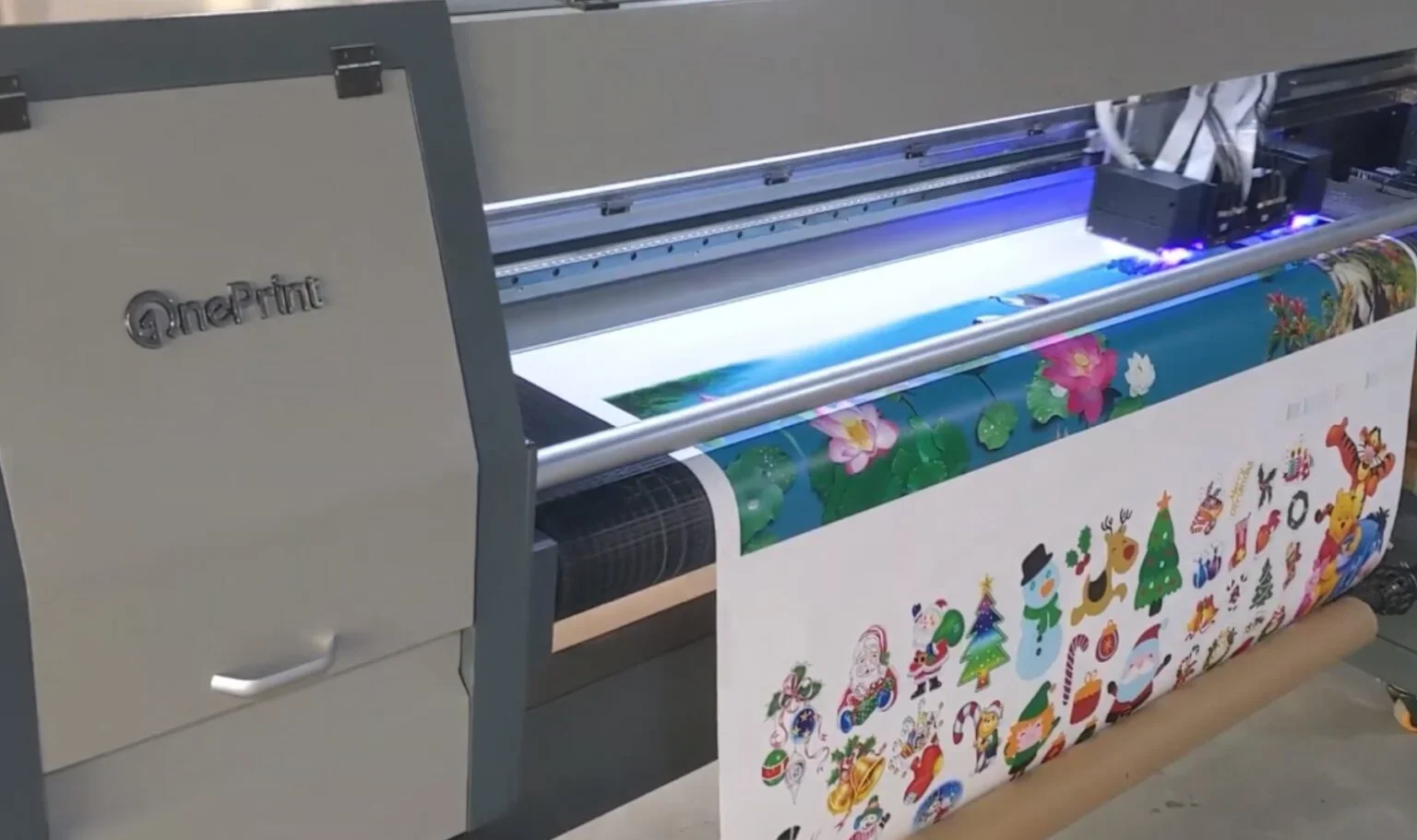
Leather printing is a process that involves applying ink or pigment onto the surface of leather to create various designs, patterns, or images. This technique allows for intricate detailing and customization, making it ideal for adding logos, artwork, or unique graphics to leather products.
DRYING AND CONDITIONING:
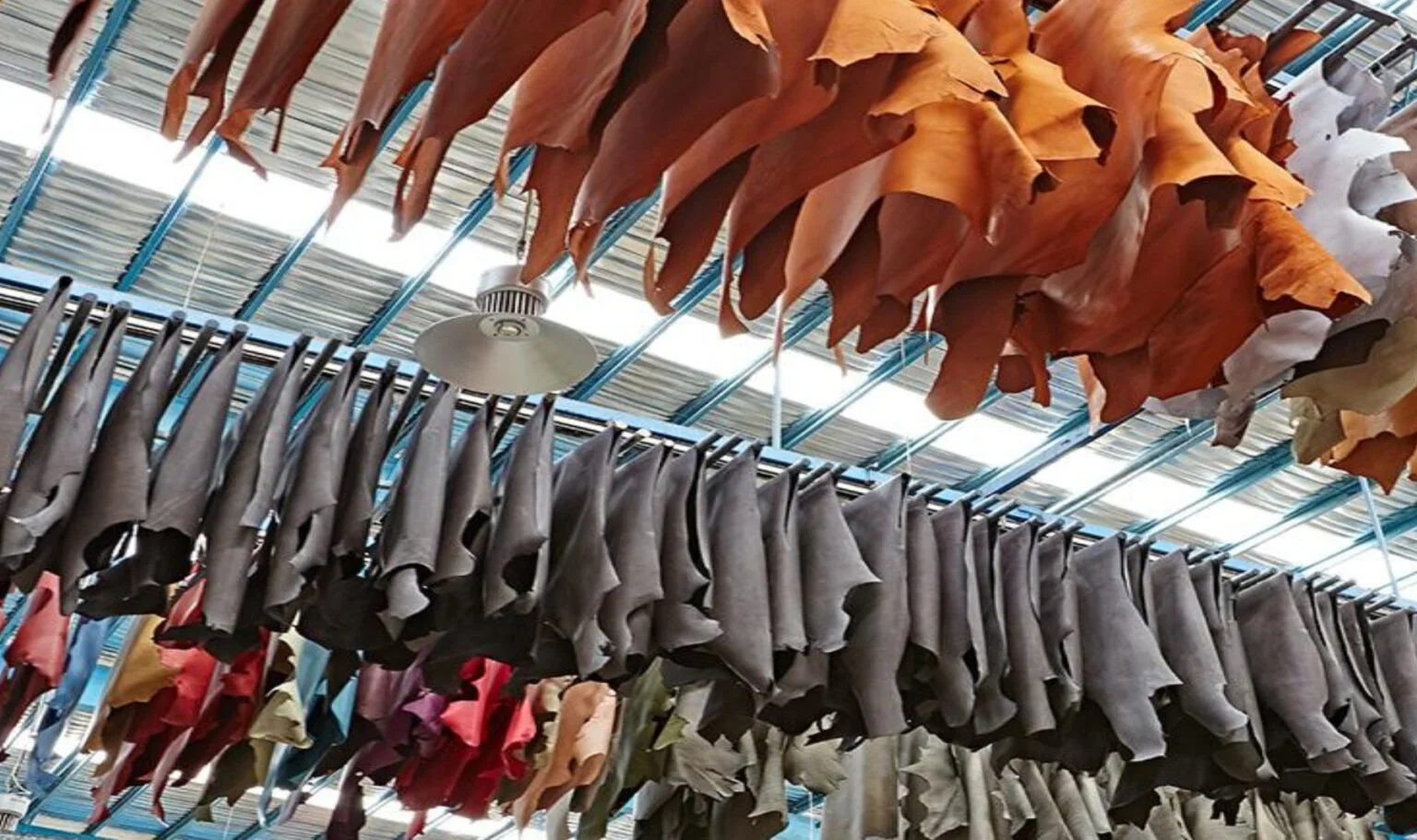
The leather is carefully dried to remove excess moisture and maintain its shape. Conditioning agents, such as oils or waxes, may be applied to replenish natural oils and restore suppleness.

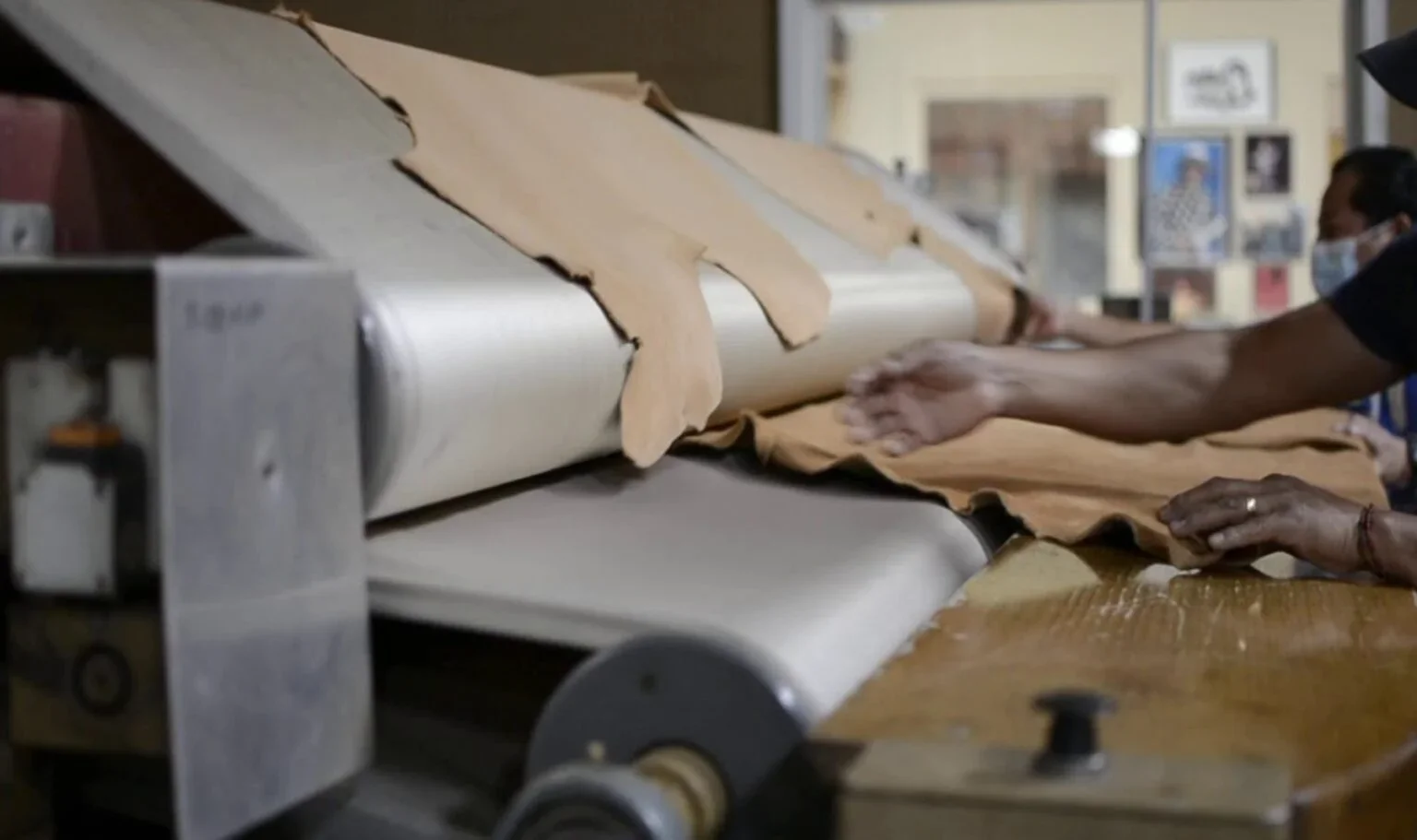
STAKING:
Staking is a mechanical process in leather finishing where hides are stretched and kneaded. This technique helps to soften the leather, improve its grain pattern, and enhance its overall flexibility, making it more pliable and desirable for various applications.
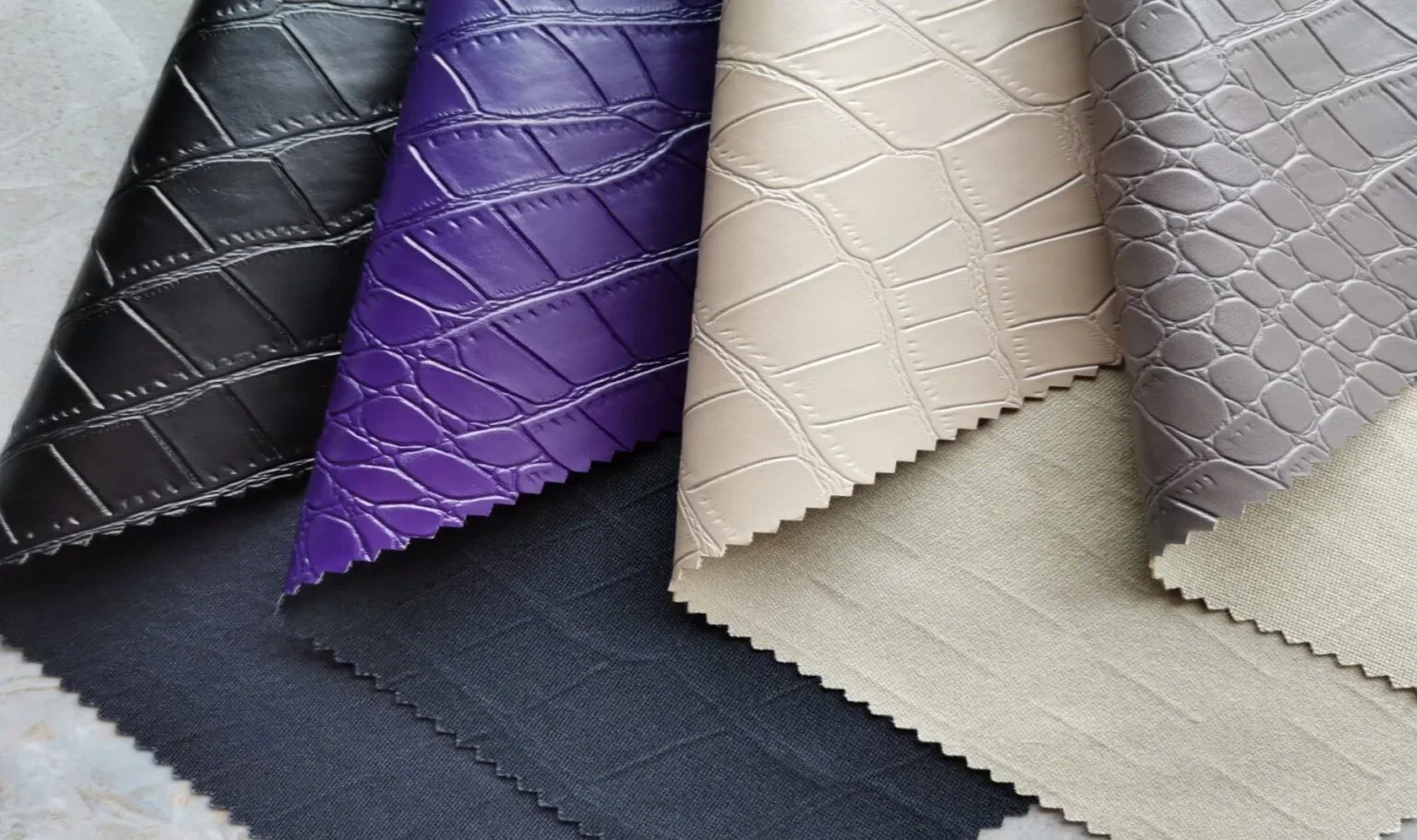
EMBOSSING:
Leather embossing is a technique used to create raised or recessed patterns on the surface of leather. It involves the application of heat and pressure to transfer the desired design onto the leather, adding texture and visual interest. This process is commonly used to personalize leather goods.
APPLICATION OF FINISHES:
Various finishes, such as coatings, waxes, or resins, may be applied to enhance the appearance, durability, and water resistance of the leather.
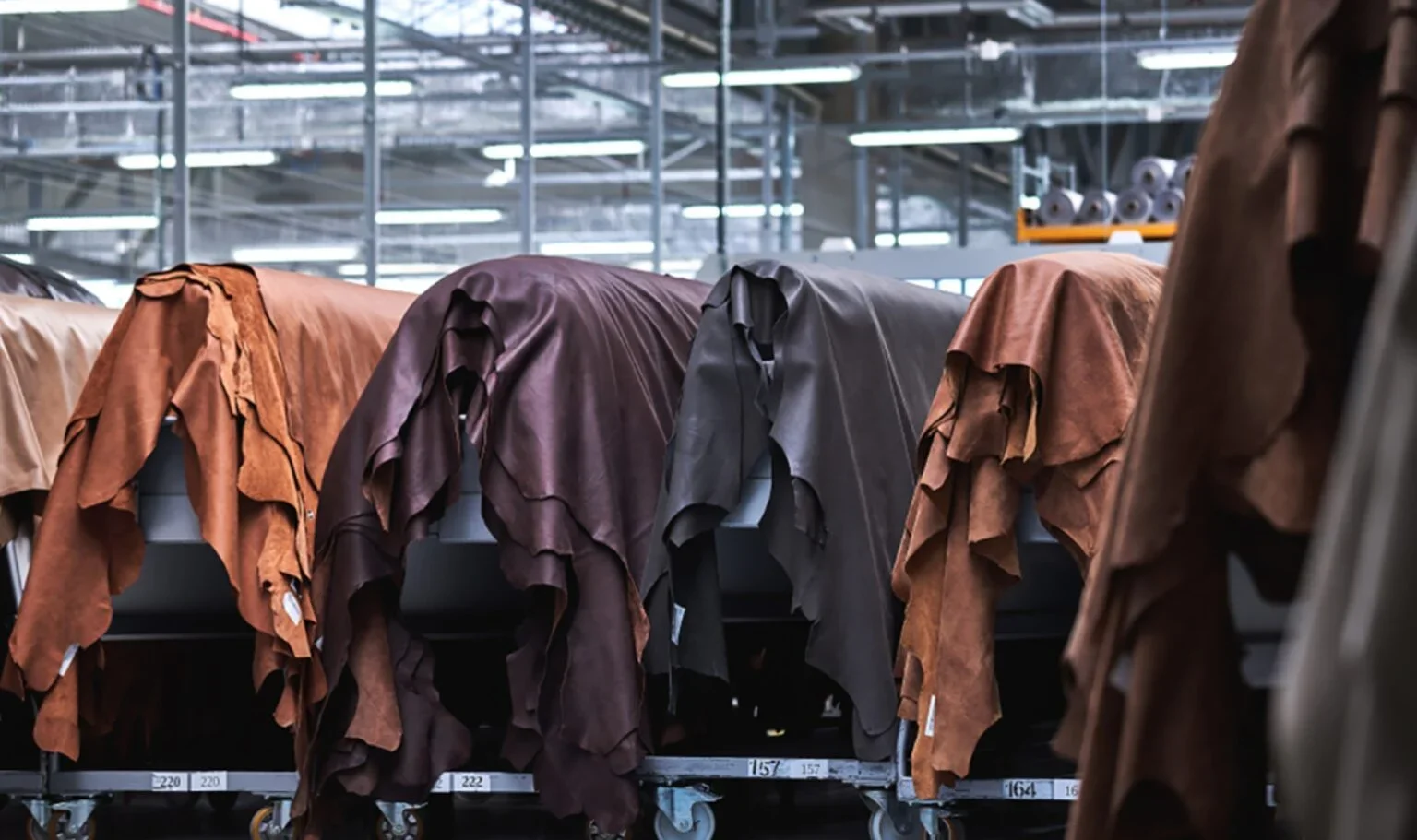
Quality Control:
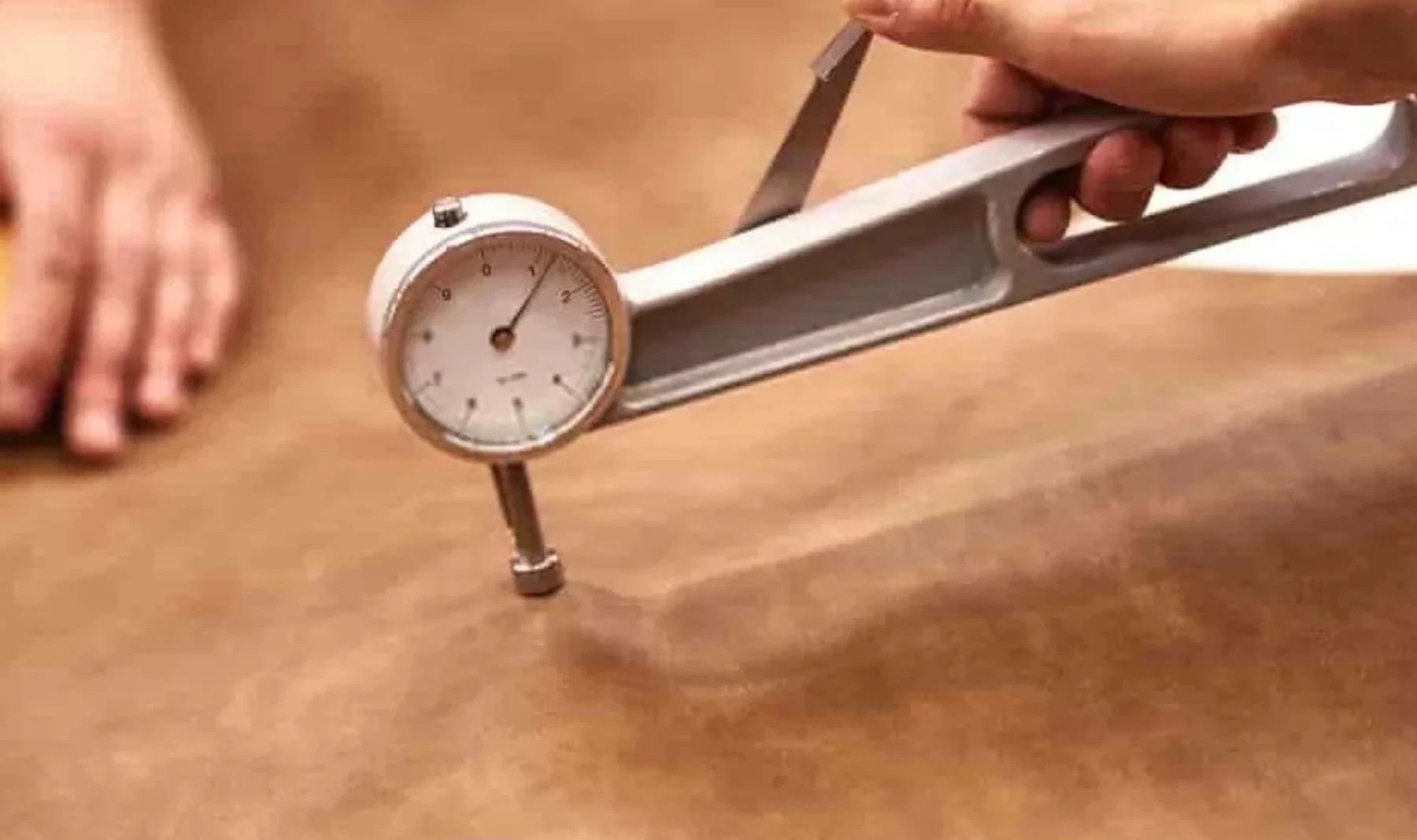
The finished leather undergoes rigorous inspection to ensure it meets the desired standards for thickness, color, texture, and overall quality.
The leather tanning process is a complex series of treatments that transform raw animal hides in to usable and desirable leather products. Each stage contributes to the final characteristics of the leather, from its strength and flexibility to its color and texture. Modern tanneries employ advanced techniques and technology to ensure the production of high-quality leather for various industries, including fashion, upholstery, and automotive applications.